


Heirloom Organic Green Striped Cushaw and 50 similar items
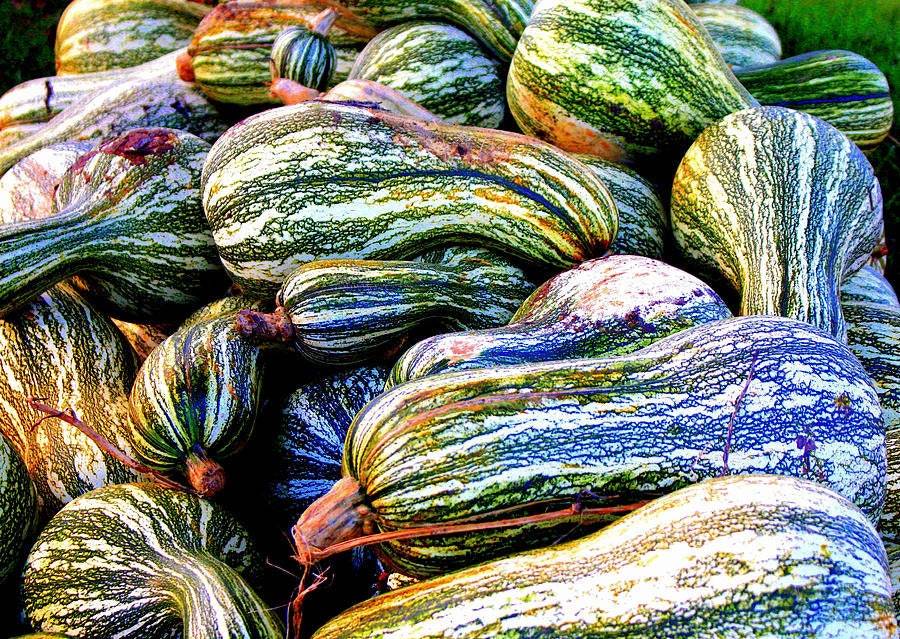
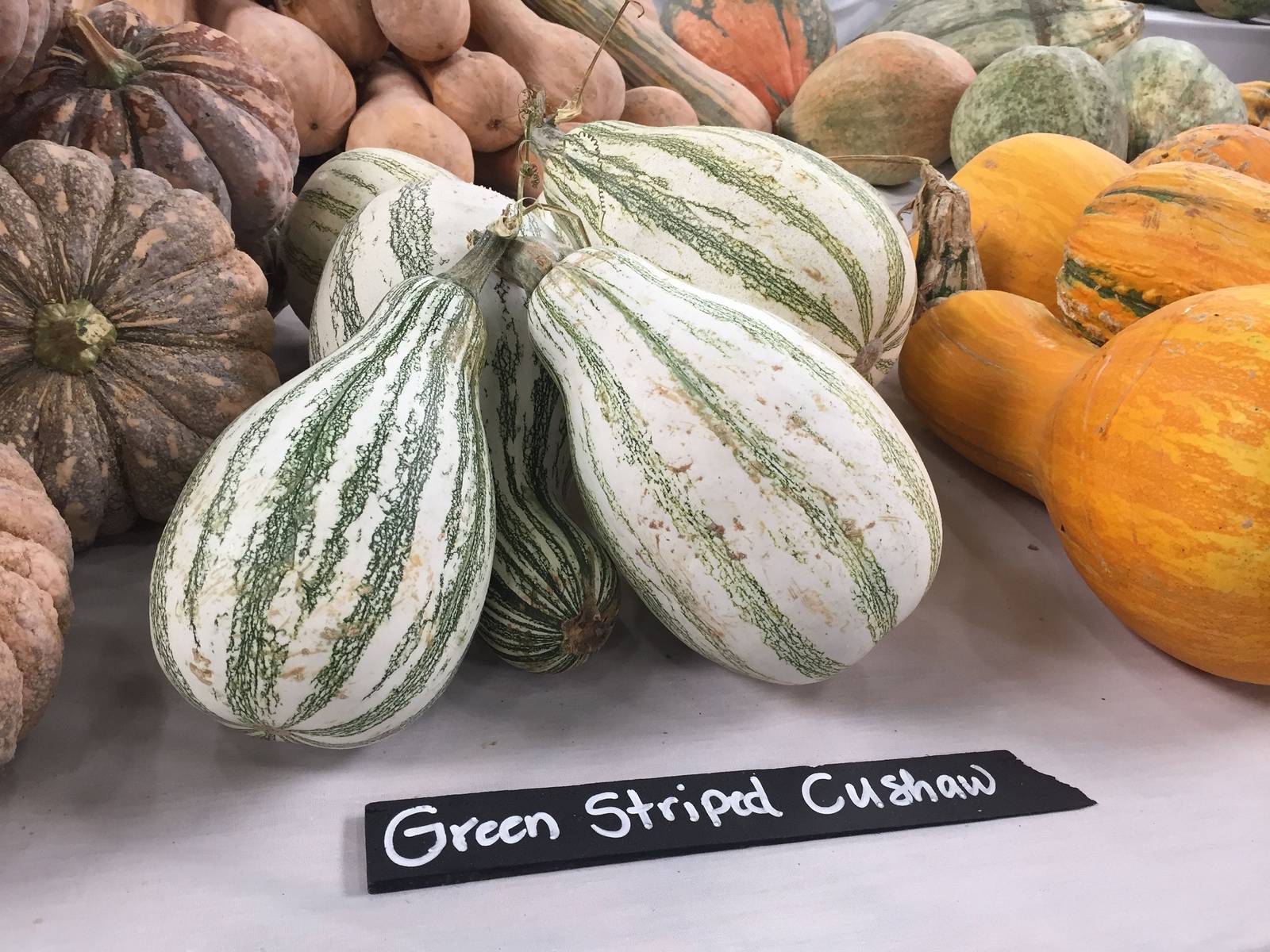
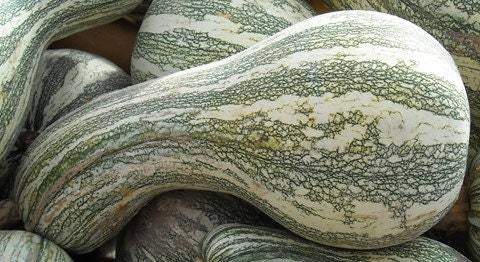
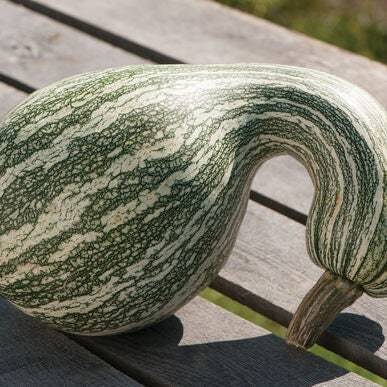
Heirloom Organic Green Striped Cushaw Pumpkin Seeds
$4.95
(It may be possible to pay only $3.46 instead of $4.95 when you
use your bCredits at checkout)
Sign up and get $5.00 bCredits free to use at checkout and another $5.00 bCredits when you make your first purchase. More info
Share & earn! Sign in, share this or any listing, and you’ll get commission when it sells.
Learn more

View full item details »

Shipping options
Offer policy
OBO - Seller accepts offers on this item.
Details
Return policy
Full refund available within 30 days
Purchase protection
Payment options
PayPal accepted
PayPal Credit accepted
Venmo accepted
PayPal, MasterCard, Visa, Discover, and American Express accepted
Maestro accepted
Amazon Pay accepted
Nuvei accepted
View full item details »
Shipping options
Offer policy
OBO - Seller accepts offers on this item.
Details
Return policy
Full refund available within 30 days
Purchase protection
Payment options
PayPal accepted
PayPal Credit accepted
Venmo accepted
PayPal, MasterCard, Visa, Discover, and American Express accepted
Maestro accepted
Amazon Pay accepted
Nuvei accepted
Item traits
| Category: | |
|---|---|
| Quantity Available: |
90 in stock |
| Condition: |
Unspecified by seller, may be new. |
Listing details
| Seller policies: | |
|---|---|
| Shipping discount: |
Shipping weights of all items added together for savings. |
| Posted for sale: |
More than a week ago |
| Item number: |
1137720316 |
Item description
Heirloom Organic Green Striped Cushaw Pumpkin Seeds (10)
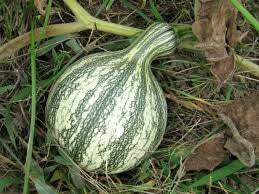
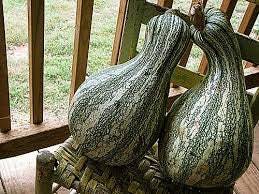
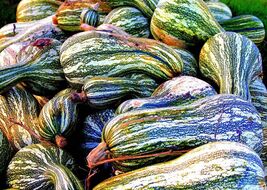
The green-striped cushaw (cucurbita mixta) is technically a winter squash though in the American South, it also produces a spring harvest. A crookneck squash from the family Cucurbitaceae, fruits average 10 to 20 pounds, grow to be 12 to 18 inches long, and are roughly 10 inches in diameter at the bowl. The skin is whitish-green with mottled green stripes.
The flesh is light-yellow; it is mild and slightly sweet in flavor; meaty in texture and fibrous. It is sometimes called cushaw pumpkin and is often substituted for the standard, orange, jack-o-lantern pumpkin in pie-making. The cushaw has a green summer squash flavor and scent to it. It has a smoky-ness in taste and is moist without being wet. It is used for both savory and sweet dishes and is great for northern climates because it provides vitamin C for the winter and stores very well. In some Native cultures, the seeds are toasted for snacks or ground and made into sauces and moles. The flowers are stuffed and/or fried. Sometimes the flesh of the fruit is used for livestock feed.
The Green Striped Cushaw grows in the southern and southwestern United States. According to Gary Nabhan, "It's a squash that came pre-historically, north from the tropics into what is the United States today." In her book, Foods of the Southwest Indian Nations, the author Lois Ellen Frank writes that squash, including the Green Striped Cushaw squash, was one of the most important New World crops. Cushaw squash is believed to have been domesticated in Mesoamerica sometime between 7000 and 3000 B.C. Its significance endures, she writes: "One of the most popular squash amongst the Hopi is the Green Striped Cushaw , which is grown each year from seeds of earlier crops." Frank also cites the Akimiel O'odham and the Tohono O'odham, whose homeland stretches from Phoenix, Arizona, to east central Sonora, Mexico, as cushaw growers. The land is some of the hottest and driest in North America; cushaw, a heat-hardy plant, is grown there with the summer rain.
In addition to the plant's tolerance for heat, the Green Striped Cushaw's large, vigorous vines are resistant to the squash vine borer, which kills other squash and pumpkin plants that aren't protected with pesticides. This quality may account for the Green Striped Cushaw's longevity—natives could count on it when other species didn't survive. The Green Striped Cushaw is also noteworthy for its fortitude after harvesting: it can be stored for up to four months.
The Green Striped Cushaw is not necessarily in imminent danger of extinction. It remains a central ingredient to the culinary cultures of peoples beyond the southwestern Native Americans. Making cushaw butter is a family tradition in Tennessee, and all around Appalachia cooks prefer to use cushaws in their pumpkin pies.
There is a long Louisiana Creole tradition of similarly sweetening the squash for use in pies and turnovers; sometimes it is simply eaten warm, straight from the pot. The Picayune Original Creole Cookbook, originally published in 1900, contains a recipe for pumpkin pie, or "Tarte de Citrouille"; the first line reads, "Use the delicate Cushaws for this recipe." In his encyclopedia of Louisiana cooking traditions, the chef John Folse says that old Creole and Cajun cooks call the spiced and sweetened cushaw by the name Juirdmon.
Lolis Elie, a New Orleans writer, fondly remembers the cushaw pies that his grandmother made from harvests in Maringouin, Louisiana; he finds a worthy substitute in the cushaw pies that Francis Chauvin sells at a farmers' market in New Orleans (before his death in 2004, Chauvin's husband grew the cushaws she used for her pies), but Elie laments that the squash is otherwise difficult to come by. "You get the impression that the few farmers who actually grow cushaw don't expect to sell many of them. When I see them, I tend to buy several at a time for fear that I might not see them again," he writes in a 2006 article published in the Times-Picayune.
Gary Nabhan backs up Lolis Elie's lament about the difficulty of obtaining grown cushaws with his own observation: "It's not that the fruit can't be found; it's that they are being produced in such small numbers that it seems unlikely that future generations of farmers will find it worthwhile to cultivate them."
In summary, the Green Striped Cushaw can be tasty if prepared with care; it is preferred by many cooks in the American South over the standard pumpkin for use in pumpkin pie. It is a hardy plant, one that tolerates heat and resists the deadly vine borer; it can be grown easily in vegetable gardens, and it can be stored for an unusually long time. While the Green Striped Cushaw is not endangered per se, it tends to be grown in small batches, often for private use, and is not widely available in retail markets. It is a prized foodstuff in various culinary cultures, including to some southwest Native Americans, to the southern Appalachians, and to the Louisiana Creoles and Italians.
First photo courtesy of Fred Sauceman – Hancock County, Tennessee: This man grows only foods once grown by Native Americans
Second photo courtesy of Fred Sauceman – Green-striped cushaw with cushaw butter
Third photo courtesy of Sara Roahen
Sample Recipe from Mary Moore Bremer's New Orleans Recipes:
This is by far the most delightful of the pumpkin family, and the way the Creoles like it best is to quarter it and cook it in the rind, after removing the seeds. Put in oven and bake till it may be pierced with a fork. Serve it in the rind, with butter on top.
Another way: Peel and cut into small pieces and steam till quite done. Do not add water as it contains quite enough. Mash and salt and pepper, and flavor with sugar, nutmeg or cinnamon.
Stir in a lump of butter, and serve.
|
Why are we showing these items?
Booth
Shortcake Farms |

|




-
Refine your browsing experience
We can show you more items that are exactly like the original item, or we can show you items that are similar in spirit. By default we show you a mix.
















This item has been added to your cart
 Heirloom Organic Green Striped Cushaw Pumpkin Seeds added to cart.
90 available in stock
Heirloom Organic Green Striped Cushaw Pumpkin Seeds added to cart.
90 available in stock
View Cart or continue shopping.
 Please wait while we finish adding this item to your cart.


Get an item reminder
We'll email you a link to your item now and follow up with a single reminder (if you'd like one). That's it! No spam, no hassle.
Already have an account?
Log in and add this item to your wish list.


